Last Updated on February 25, 2026 by Katie
You finish a late shift, drop your bag by the door, and your phone lights up with another bill.
Overtime used to feel like the obvious answer, until it started eating your sleep, your patience, and your weekends.
The good news is you’ve got options. This guide shares a mix of at-home, online, and in-person work that can fit rotating rosters and real life.
Some ideas grow into proper businesses, while others stay as simple, paid add-ons to your month.
Pay will depend on your state, your experience, and how many hours you can protect.
Before you start, check your employment contract, avoid conflicts of interest, and keep patient information private, always.
Used well, side hustles for nurses can add breathing room without burning you out.
Want to Make Extra Money Right Now?
- Survey Junkie: Earn money by taking surveys and giving your opinion on new products. Over $1.5 million is paid out to members monthly! Join Survey Junkie now.
- American Consumer Opinion: Get paid for your opinion by taking surveys and participating in research studies. Earn between $1 and $50 per survey. Join ACOP Now.
Remote Side Hustles for Nurses that Can Grow into a Business

When your energy’s low after shifts, remote work can feel like a soft landing.
These side hustles for nurses often let you sit down, set boundaries, and still get paid. Some start small, then build into a steady income if you stick with them.
1. Virtual assistant for healthcare founders and clinics
Many healthcare founders need admin help, but they don’t want to explain every acronym.
Your clinical background helps with scheduling, inbox triage, and patient-friendly wording.
You can charge hourly or sell a monthly retainer. Retainers feel calmer because you know what you’ll earn.
A fixed package also reduces scope creep. Keep tasks non-clinical unless you’re hired for a licensed role.
How to get started:
- Choose 2 to 3 core services
- Offer a monthly package
- Use a simple client agreement
Further reading: How to become a virtual assistant from home.
2. Proofreading and editing for health content
Nurses spot small errors fast, especially in safety content.
You can proofread blog posts, patient education handouts, and staff training docs. The work is remote and quiet.
Many writers hire through Upwork, while others prefer direct pitches. Health content pays better when you understand the topic.
Specialise in a lane like maternity, ICU, or diabetes education. For an idea on how to get started, read how to become a proofreader from home.
How to get begin:
- Pick a healthcare niche
- Build 3 sample edits
- Pitch clinics and bloggers
3. Data entry (simple, flexible, low-stress)
Data entry can suit you if you want income without extra patient care.
Tasks might include updating spreadsheets, cleaning contact lists, or logging survey results. Pay is often hourly or per project.
The work looks easy, but accuracy matters. Speed plus accuracy wins repeat clients.
Create a tidy workflow so you don’t lose time. Track your output so you can raise rates later.
How to get started:
- Practise in Excel or Sheets
- Apply for small projects
- Set a weekly time block
Further reading: 25 data entry sites for beginners.
4. Social media manager for local clinics, physios, or wellness brands
Many local practices need consistent posts, but they’re too busy to do it.
You can plan content, write captions, and reply to comments. Your nursing knowledge helps you avoid risky claims.
You’ll also understand what patients worry about. Batch content on days off to reduce stress. Charge per month for a set number of posts.
How to get started:
- Read how to become a social media manager
- Audit 5 local accounts
- Offer a 30-day trial
- Create a content calendar
5. Create and sell digital products (printables, templates, mini-guides)

Digital products have low overhead and can sell while you sleep. Think medication trackers, shift planners, or general patient education checklists.
Keep everything non-patient-specific and reusable. Sell on Etsy or Gumroad, then refine based on reviews.
Bundles often sell better than single sheets. Over time, this becomes one of the calmer side hustles for nurses. Aim for one topic and make it great.
How to get started:
- Choose one painful problem
- Create a small bundle
- List on Etsy or Gumroad
Further reading: 23 digital products to sell that can be made in an afternoon.
6. Build a short online course for a clear problem
Courses work best when they solve one clear issue. A 60 to 90-minute starter course can be enough.
Platforms like Teachable handle payments and access. Add simple videos, visuals, and short quizzes.
Topic ideas include NCLEX study skills, new-grad confidence, or caregiver basics. Promote through email and short social clips. Expand only after you get feedback.
How to get started:
- Outline 5 short lessons
- Record on your phone
- Pre-sell to test demand
Further reading: How to make passive income online by selling courses.
7. YouTube videos helping nurses train
YouTube rewards consistency, not perfection. You can teach skills, explain pathways, or share study routines.
Keep advice general, and never discuss identifiable cases. Over time, income can come from ads, sponsors, and affiliate links.
Scripts help you stay concise after a long shift. Treat each video like a mini lesson plan. It’s slower at first, but it compounds.
How to get started:
- Pick one series theme
- Batch-film 3 videos
- Learn basic titles and thumbnails
8. Translation services with a medical focus (if bilingual)
If you’re bilingual, medical translation can pay well because precision matters.
You might translate training materials, labels, or patient leaflets. Rates vary by language pair and complexity.
You can charge per word, per hour, or per project. Build a glossary for your speciality to stay consistent.
Always double-check terms, because small errors can cause big harm.
How to get started:
- Choose a language pair
- Create a sample glossary
- Join translation platforms
Further reading: How to become a freelance translator in one month.
9. Video editing for health creators and small businesses
Clinics and creators need short videos for TikTok, Reels, and YouTube Shorts. Editing is remote and repeatable.
Your nursing background helps you spot unsafe claims and confusing phrasing. A strong portfolio matters more than certificates.
Monthly reel packages sell well because clients want consistency. Keep turnaround times realistic around your rota. Charge more for captions and graphics.
How to get started:
- Edit 3 sample clips
- Offer a monthly reel pack
- Use one editing tool well
Further reading: 11 fun ways to make money editing videos (with no experience).
10. Sell plants or handmade crafts for stress relief and extra cash

Plant sales can start on a windowsill and grow from there. You can propagate succulents, sell houseplants, or offer starter kits.
Price with costs in mind (pots, soil, labels). Local markets, Facebook Marketplace, and Etsy can work.
Handmade crafts are a good backup if plants aren’t your thing. Test demand with friends and colleagues first.
How to get started:
- Start with 10 easy plants
- Take bright, clear photos
- Sell locally before scaling
11. Freelance writer in the health niche
Healthcare writing is always in demand because people need clear, accurate answers.
You can write blog posts, staff resources, or patient-friendly explainers. Start with topics you know well, then widen your niche.
Pay may be per word, per hour, or per project, but medical writing will pay well, as not everyone will have your knowledge.
For a strong starting point, use this guide on how to become a freelance writer and this list of freelance writing gigs for beginners.
How to get started:
- Write 2 sample articles
- Pitch 10 publications weekly
- Apply on job boards
High-paying side hustles for nurses that use your clinical know-how
These options suit nurses who want healthcare-adjacent work, but with more control than extra shifts.
They can pay well, yet you still need tight boundaries and good documentation.
For more suggestions, check this list of automated business ideas that make money while you sleep.
12. Legal nurse consultant (case reviews for solicitors)
Legal nurse consultants review records and build clear timelines. They also flag standards of care issues and help solicitors understand medical facts.
Pay varies widely, but many charge high hourly rates, often quoted around $75 to $200 per hour. It’s detail-heavy work, so your charting habits help.
Specialising (injury, elder care, ICU) can raise your value. Referrals matter more than ads in this field.
How to get started:
- Take an LNC course
- Build a sample timeline
- Network with local firms
13. Telehealth nursing (remote triage and patient support)
Telehealth roles usually involve symptom checks, education, and escalation.
Many jobs are shift-based, while some are contract-based. Recent ranges often sit around $25 to $45 per hour, depending on the employer and state.
You’ll need calm communication and clean documentation. A reliable set-up matters (quiet space, strong internet).
This is one of the fastest-growing side hustles for nurses in the US.
How to get started:
- Update your CV for triage
- Set up a private workspace
- Apply to telehealth companies
14. Health coaching for busy clients (online or in person)
Health coaching suits nurses who love behaviour change work. You help clients set goals, plan habits, and stay accountable.
Certification is often recommended, but not always required. Programmes from the National Society of Health Coaches and the Institute for Integrative Nutrition are common examples.
Many coaches package support at $100 to $300 per month per client. A tight niche like hypertension or weight loss helps you sell.
How to get started:
- Pick one coaching niche
- Create a 4-week package
- Run a small group cohort
15. Nursing tutor for NCLEX, OSCE, or university modules

Tutoring pays because students want confidence fast. Sessions can cover content, test strategy, or practice answers.
Many tutors charge around $30 to $60 per hour, depending on subject and level. You can run one-to-one sessions or small bootcamps.
Add-ons like study guides can increase earnings. Keep lessons focused, with clear homework and progress tracking.
How to get started:
- Choose 2 exam topics
- Set a tutoring schedule
- Join online tutoring sites
Related reading: How to get paid to answer questions online in any subject.
16. Medical writing (blogs, patient leaflets, brand content)
Medical writing blends clinical accuracy with plain language. You might write blog content, patient leaflets, or brand education pieces.
Rates vary, but many writers charge project fees or $50 to $150 per hour for specialised work. Your edge is credibility and source awareness.
And having your own blog could be even more profitable. Set up a quick blog with AI, write content that helps people and monetise your traffic with ads.
How to get started:
- Decide on your blog niche
- Create your blog with WordPress and AI
- Write content regularly
- Monetise with ads and affiliate marketing
Check out these best free blogging courses for help getting started.
17. Medical billing and coding (remote admin that pays steadily)
Coding and billing are structured, steady, and often remote. Nurses adapt quickly because you already know medical terminology.
You’ll work with ICD-10 and CPT, and accuracy affects payment. Certifications like CPC, CCA, or RHIT can improve hiring odds.
Some sources cite around $43,500 a year as a rough benchmark, although earnings vary widely. Start part-time and focus on clean, consistent work.
How to get started:
- Take an intro coding course
- Practise ICD-10 basics
- Apply for entry roles
18. Medical transcription (typing work you can do from home)
Transcription turns recorded notes into written reports. It needs fast typing, sharp listening, and comfort with medical terms.
The work can feel repetitive, but it’s straightforward once you get the rhythm. You’ll need a headset and transcription software.
Pay varies, with many entry roles around the high teens per hour. But, with your specialist medical knoledge you should be able to land higher-paying gigs.
How to get started:
- Test your typing speed
- Train with practice audio
- Start with one speciality
Further reading: How to become a transcriptionist with no experience.
19. Lactation support (sessions that fit around shifts)
Lactation support offers focused sessions with clear outcomes. You might do home visits, clinic sessions, or virtual consults.
Many sessions are priced per appointment, often around $75 to $200 each depending on location.
Certification pathways like IBCLC exist if you want to go deeper. Bundling prenatal education plus follow-up can raise your average booking.
Clear handouts make clients feel supported between visits.
How to get started:
- Research local scope rules
- Shadow or mentor first
- Offer a starter package
20. Mobile IV services (home visits and event bookings)
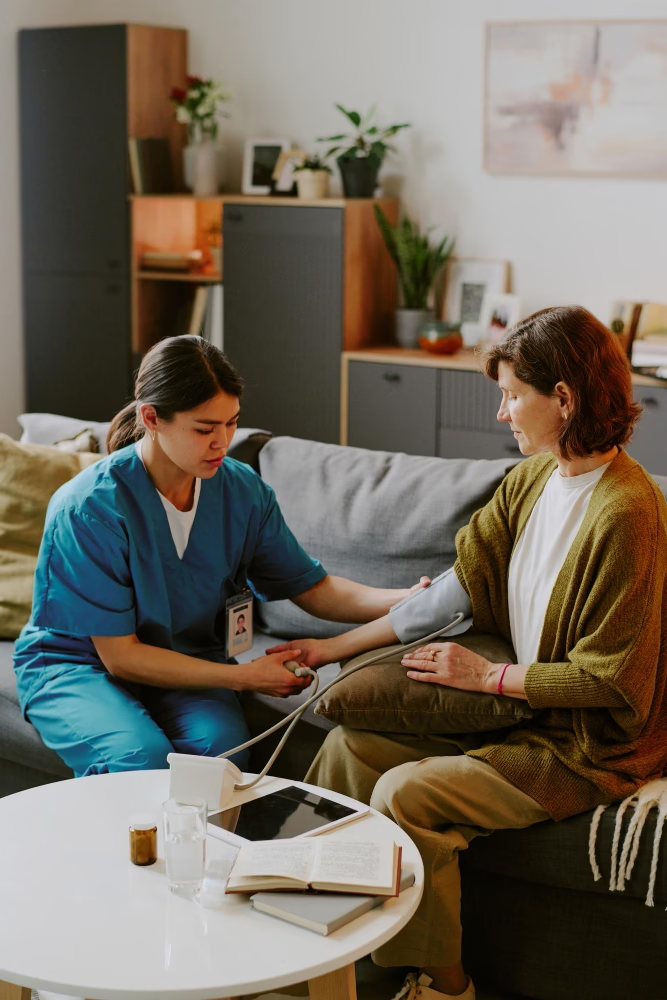
Mobile IV services can pay well, but they’re not casual. You need protocols, supplies, insurance, and strict screening.
Many nurses quote around $50 to $100 per visit, sometimes more for add-ons. State rules vary, so check them before marketing.
Events can bring volume if you partner well. Safety and documentation must stay tight every time.
How to get started:
- Review state regulations
- Price supplies and insurance
- Partner with event planners
21. Care management for families (coordination and advocacy)
Care managers help families organise complex care. You might coordinate appointments, explain discharge plans, and chase referrals.
Many charge $75 to $200 per hour, depending on services and region. Nurses do well here because you speak “hospital” and “family” at once.
Packages reduce stress for clients and you. Offer an assessment, then a monthly check-in plan.
How to get started:
- Define your service scope
- Create 2 package options
- Build referral relationships
22. Concierge nursing (private, premium support)
Concierge nursing is private, paid support within your legal scope. Tasks might include health education, care coordination, and post-op check-ins.
Many charge around $50 to $150 per hour, depending on region and services. Boundaries matter because clients may push for 24-7 access.
Minimum booking blocks protect your time. Contracts keep expectations clear for everyone.
How to get started:
- Draft a service contract
- Set minimum booking hours
- Network in high-income areas
23. CPR and first aid instructor (short sessions, solid pay)
Teaching CPR suits nurses who like coaching and clear steps. Classes often happen evenings or weekends, and workplaces may book in groups.
Pay varies by market and class size, with some benchmarks around $30 to $50 per class. Repeat corporate bookings can steady your calendar.
How to get started:
- Get instructor-certified
- Approach local businesses
- Offer group booking rates
Final Thoughts On the Best Side Hustles for Nurses
Extra income shouldn’t cost you your health. Pick one idea that fits your energy, your schedule, and your comfort level, then test it for 30 days.
Start with one clear offer and one place to find clients, because too many channels get noisy fast.
Once you see what sells, refine the service, raise rates slowly, and protect your rest like it’s a shift requirement.
The best side hustles for nurses are the ones that respect your time, and keep your license safe.
Need more nursing side job ideas?
Your medical background might be a great fit for becoming a sleep consultant from home.
The post 23 Best Side Hustles for Nurses & Nursing Students That Pay Well appeared first on Remote Work Rebels.
* This article was originally published here